Written by Paul White – Raex Motors
The rapid growth of smart home technology has transformed the way buildings are designed, specified and lived in. Lighting, heating, security and entertainment systems are now expected to work together seamlessly, while homeowners increasingly expect every element of the home to respond intelligently to their lifestyle.
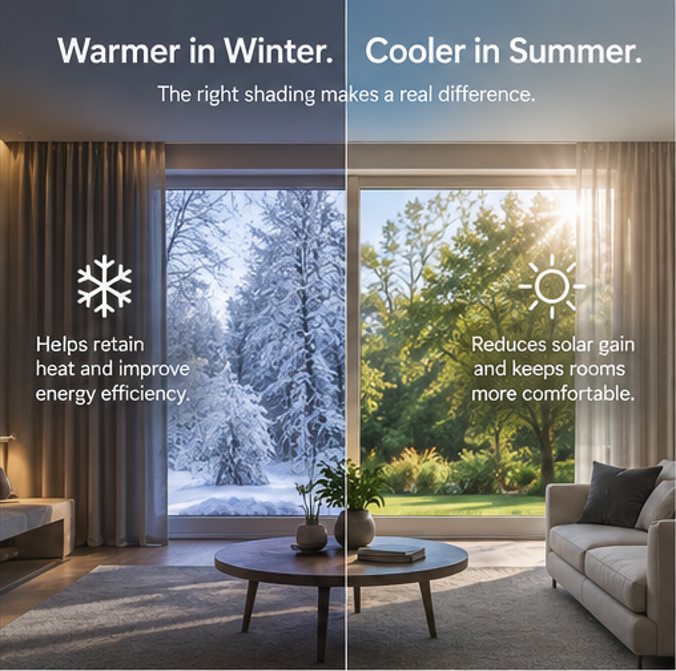
Alongside this technological evolution, climate change and rising energy costs are placing greater emphasis on how buildings manage heat, daylight and energy consumption. Intelligent control of natural light and solar gain is becoming an increasingly important part of sustainable building design, helping to improve occupant comfort while reducing unnecessary heating and cooling demands.
Motorised window treatments have become an important part of this evolution.
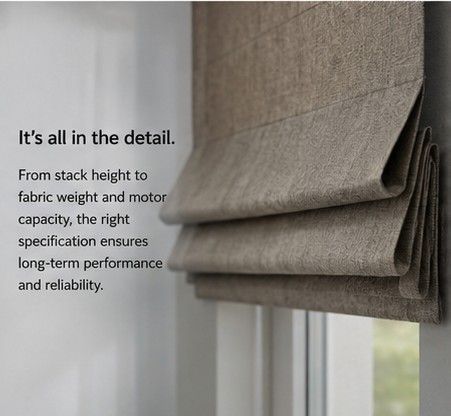
Whether specifying an electric curtain track, motorised Roman blind or automated roller blind, today's decisions need to consider more than simply how the product performs on the day it is installed. Increasingly, specifiers are asking how easily these systems can adapt to tomorrow's technology while supporting more energy-efficient buildings.
Future-proofing has become one of the most important considerations in modern specification.
Thinking Beyond Today's Control Method
One of the biggest mistakes made during specification is designing around today's preferred method of control rather than tomorrow's possibilities.
Many clients initially request simple remote-control operation.
Within a few years they may wish to add:
- Voice control
- Scheduled routines
- Occupancy sensing
- Climate-based automation
- Lighting scenes
- Whole-home automation
If the original motor has limited connectivity, upgrading later can become unnecessarily expensive.
Choosing systems that support multiple communication methods helps avoid this problem.
Typical options include:
- Dry Contact
- RF Control
- Wi-Fi
- KNX
- SMI
Selecting the correct interface at specification stage provides greater flexibility if the property is expanded or upgraded later.
Battery or Mains?
Both battery-powered and mains-powered systems have an important place within modern projects.
Battery systems continue to improve and are now an excellent solution for many:
- Roman blinds
- Roller blinds
- Retrofit curtain tracks
- Listed buildings
- Completed interiors
Meanwhile, mains-powered systems remain the preferred choice for many:
- New-build homes
- Commercial projects
- Hospitality environments
- Large curtain installations
- Heavily automated properties
Future-proofing is not about selecting one over the other.
It is about selecting the solution most appropriate for the project while considering how the building may evolve over time. As environmental standards continue to develop, the ability to integrate window treatments into intelligent heating and cooling strategies is becoming an increasingly valuable consideration
Design Coordination Is More Important Than Technology
Even the most advanced motor cannot compensate for poor coordination.
Successful projects rely upon collaboration between:
- Architects
- Interior designers
- Electrical consultants
- Smart home integrators
- Blind manufacturers
- Installers
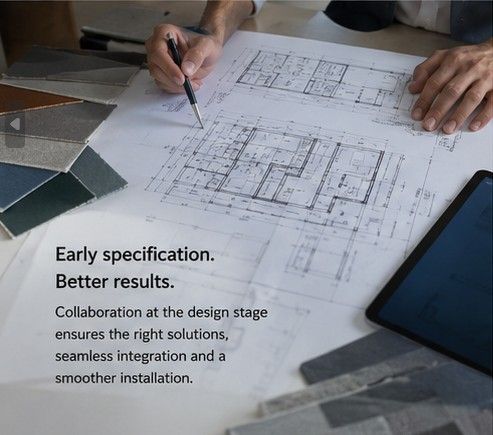
Window schedules, ceiling details, recesses, power provision and control methods all need to be considered together.
The earlier these discussions happen, the smoother installation becomes.
Think About Maintenance Before Installation
Future-proofing is also about making systems practical to maintain.
Questions worth asking include:
- Can the battery be charged or removed easily?
- Is the motor accessible?
- Can the track be serviced without damaging finishes?
- Will replacement parts remain available?
- Is the control system widely supported?
These considerations often make the difference between a system that performs reliably for many years and one that becomes increasingly difficult to support.
Open Standards Offer Greater Flexibility
While proprietary systems have advantages, many specifiers value products that can work with recognised automation standards.
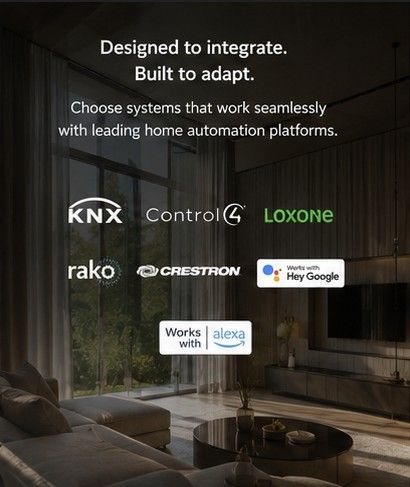
Compatibility with systems such as KNX, Control4, Loxone, Rako, Crestron and other widely adopted platforms provides greater flexibility if the building changes ownership or automation systems are upgraded.
Rather than locking clients into a single ecosystem, the goal should be to provide options.
Reliability Still Matters Most
Technology continues to evolve rapidly.
Features will change.
Apps will improve.
Voice assistants will become more capable.
What rarely changes is the importance of reliability.
Clients remember whether curtains opened every morning.
They remember whether blinds responded consistently.
They remember whether the installation simply worked.
Increasingly, they also appreciate how intelligently their window treatments help regulate light and temperature throughout the day without requiring constant manual adjustment.
Future-proofing therefore begins with selecting products designed for dependable daily operation.
The Value of Early Specification Advice
One of the simplest ways to reduce project risk is to involve specialist suppliers early.
Sharing drawings, window schedules and automation requirements before products are ordered allows potential issues to be identified while changes remain simple and inexpensive.
Small decisions made during specification can significantly influence the finished installation.
Final Thoughts
The future of motorised window treatments is not simply about smarter motors.
It is about better integration, improved coordination and thoughtful specification.
Electric curtain tracks, motorised Roman blinds and automated roller blinds all have an important role within modern architecture and interior design.
When selected carefully, they provide comfort, convenience, energy efficiency and seamless integration with the wider building. As expectations around sustainability continue to grow, intelligently controlled window treatments will play an increasingly important role in helping buildings manage daylight, reduce energy consumption and improve year-round thermal comfort.
By considering future upgrades, maintenance, compatibility and long-term reliability from the outset, architects, designers, retailers and installers can deliver solutions that continue to perform long after the project has been completed.